



Beat the Burn: Your Guide to Surviving Extreme Heat and Heat Stroke
When the mercury climbs, we tend to think of heat as a minor inconvenience, a reason to crank up the AC or head to the pool. But when extreme heatwaves hit, or when a grid failure leaves you without power in July, high temperatures transform from a comfort issue into a legitimate, life-threatening crisis.
Of all the heat-related illnesses, heat stroke is the absolute worst-case scenario. It is a true medical emergency that happens when your body’s internal thermostat fails completely, sending your core temperature soaring to 103°F or higher within minutes.
Understanding the warning signs and knowing exactly how to treat super high temperatures can mean the difference between an uncomfortable afternoon and a trip to the ER.
According to the CDC, heat stroke is responsible for thousands of emergency room visits every year. Once it sets in, the body stops sweating entirely, making it impossible to cool down naturally without immediate intervention.
Heat Exhaustion vs. Heat Stroke: Know the Critical Shift
People often confuse heat exhaustion with heat stroke, but treating them the same way is a dangerous mistake. Think of heat exhaustion as your body's loud warning siren, and heat stroke as the system crash.
-
Heat Exhaustion: You’ll notice heavy sweating, a rapid pulse, dizziness, nausea, and cold, clammy skin. The body is struggling, but it is still fighting to cool itself down.
-
Heat Stroke: The defining shift is neurological change and a lack of sweat. The skin becomes hot, red, and dry (or sometimes damp from previous exertion, but no longer actively cooling). The person will experience confusion, slurred speech, altered mental state, or even fainting.
Act Fast: The Step-by-Step Response
If you suspect someone is crossing the line into heat stroke, call 911 immediately. While you wait for first responders, you must take rapid action to drive their core temperature down. Every minute matters.
Prepping Your Kit for Extreme Heat
Extreme summer weather requires its own tactical approach. Staying ahead of a heat crisis means having the right tools ready before the power goes out.
1. Advanced Thermal Management
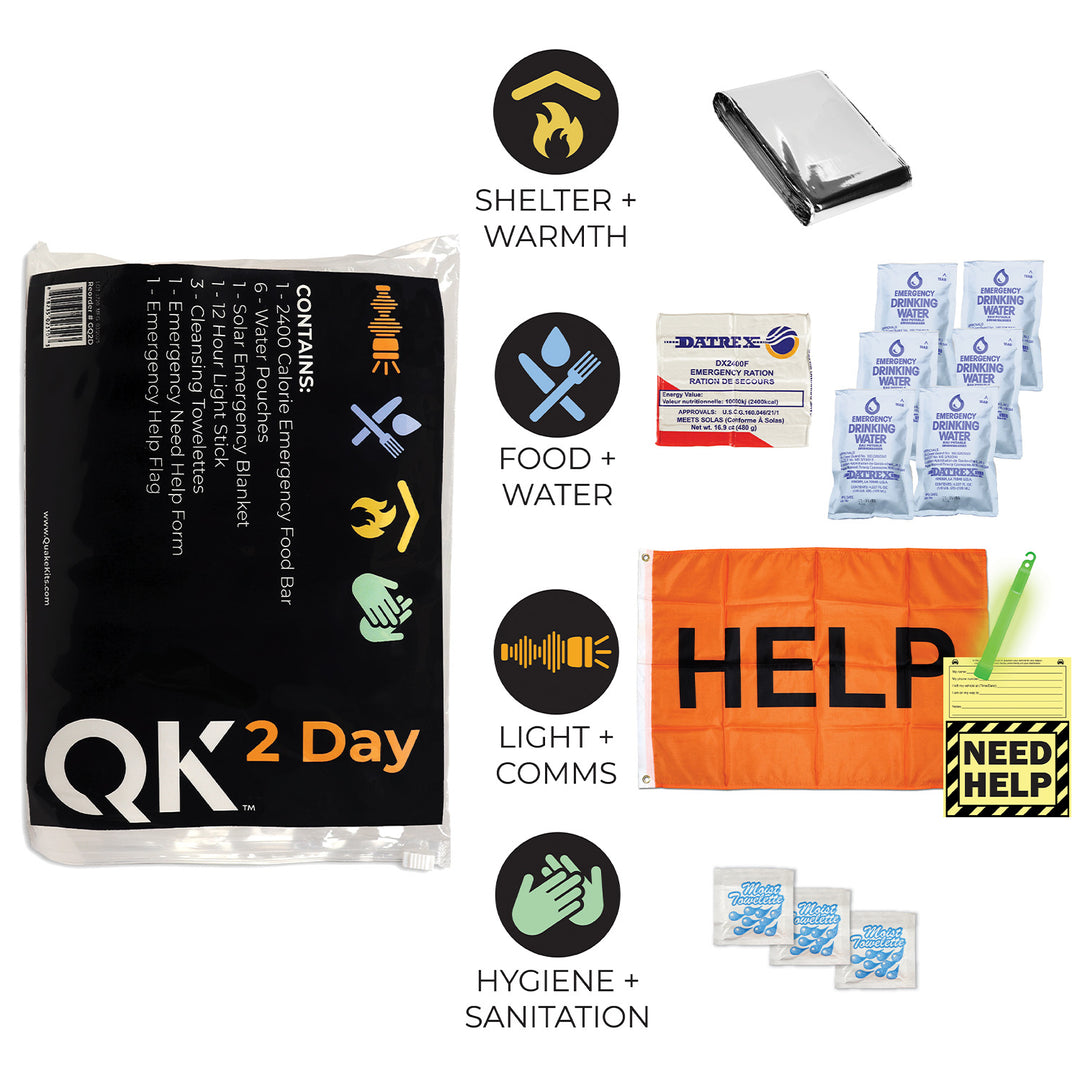
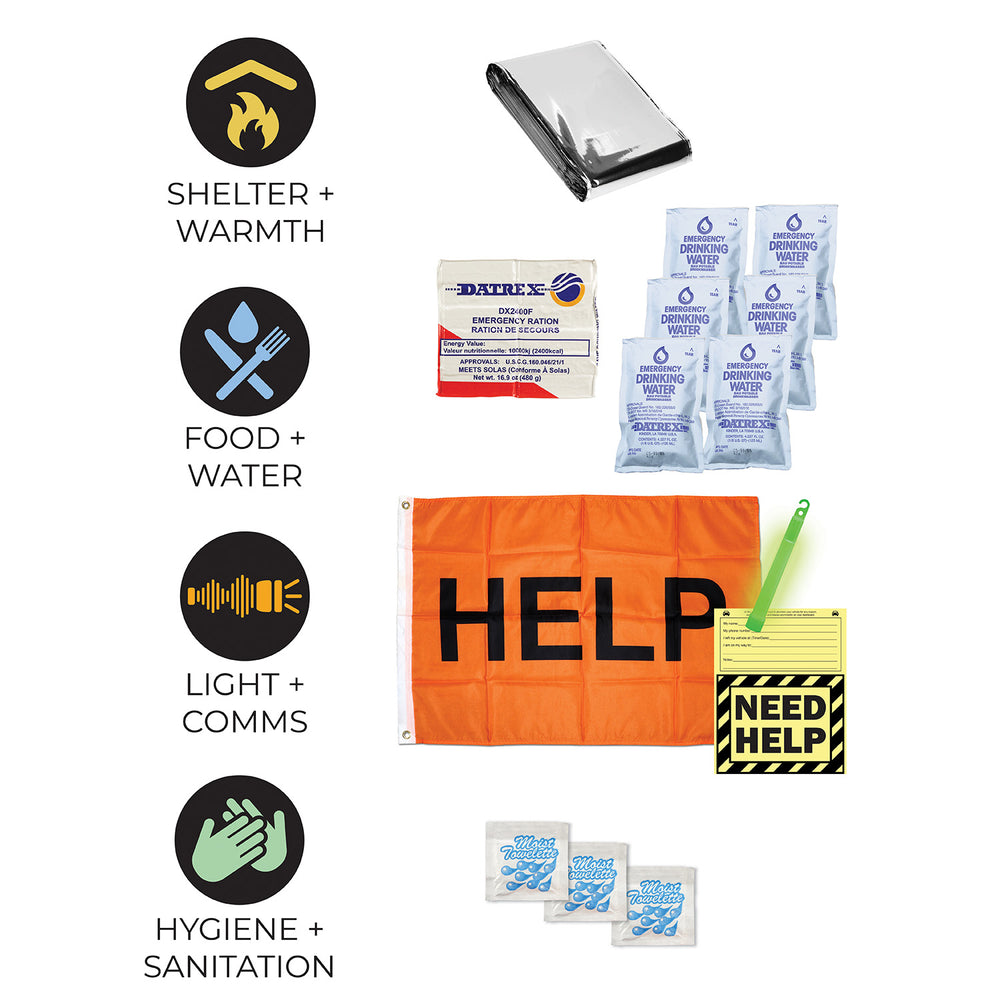
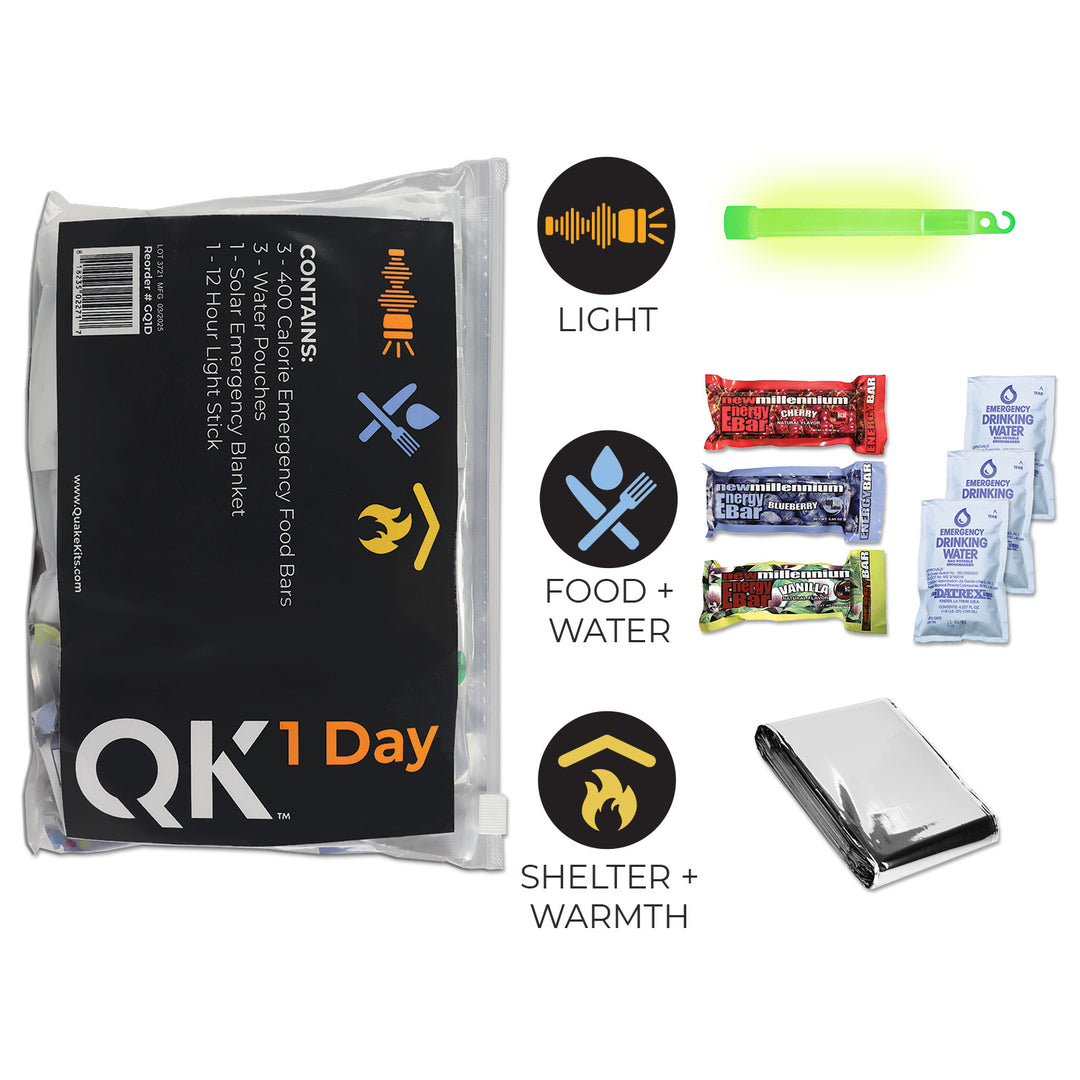
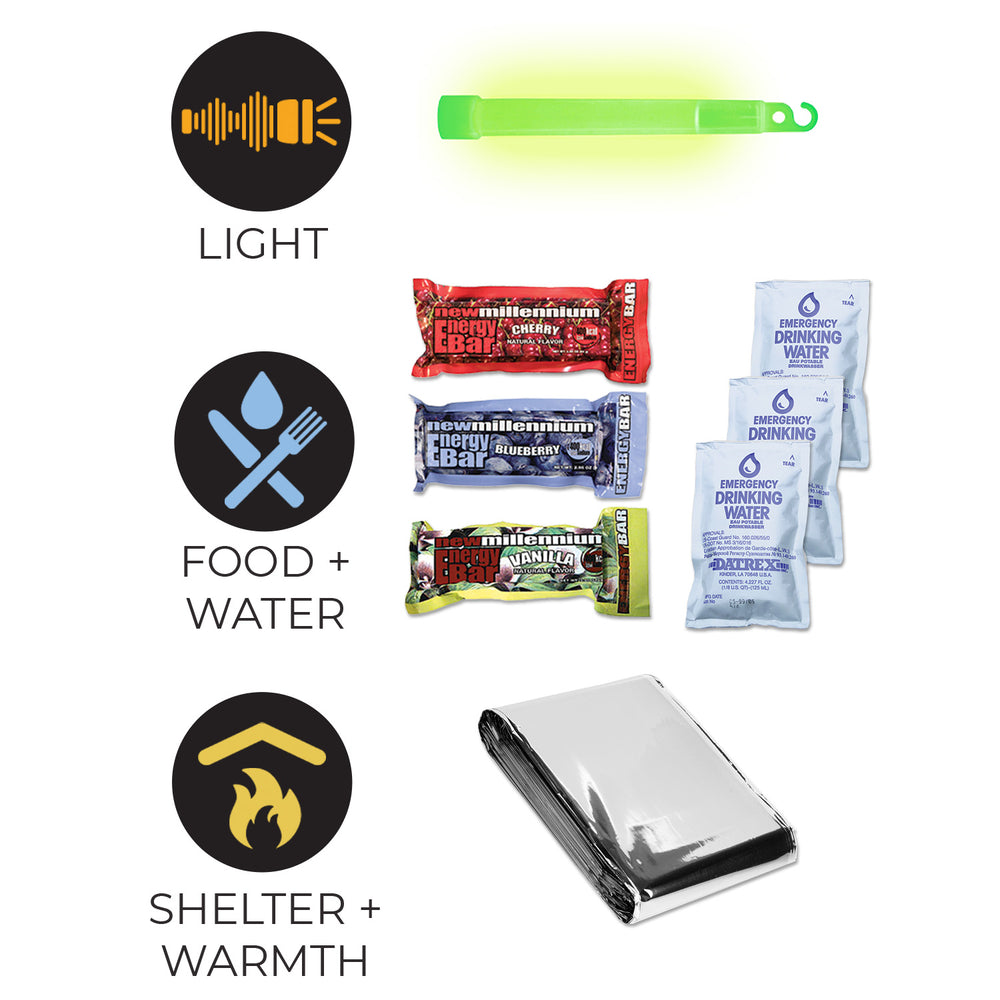
While space blankets are famous for trapping body heat in the winter, high-quality thermal barriers can also be used creatively in the summer. Reflective blankets can be rigged over windows or tents to deflect intense solar radiation away from your living space, dropping indoor temperatures significantly during a blackout.
2. Rapid Cooling Supplies
When someone is overheating, you can't afford to hunt through a messy medicine cabinet. A dedicated first aid kit is essential. Our Deluxe First Aid Kit (included in our primary survival setups) features instant cold packs that activate with a single squeeze providing immediate, localized cooling to the neck and underarms without needing electricity or a freezer. These same instant ice packs can also be purchased in bulk quantities at wholesale prices.
3. Hydration Tactics
Sweating drains your body of fluids and critical minerals. If you wait until you are thirsty, you are already dehydrated. Keep emergency water supplies on hand that are packaged to withstand high temperatures without degrading. If municipal water systems fail during a heatwave, having clean, portable hydration readily accessible is your ultimate line of defense.
Pro-Tips for Managing High Temperatures
-
Watch the Hydration Type: Avoid sugary, caffeinated, or alcoholic drinks when dealing with high heat. They act as diuretics, causing your body to lose fluids even faster. Stick to clean water or electrolyte solutions.
-
The "Buddy System" Matters: Heat stroke compromises a person's cognitive function. They may become confused and insist they are "fine" when they are actually in severe danger. Keep an eye on your family, coworkers, and pets during high-heat days.
-
Check on Vulnerable Neighbors: The elderly, infants, and those with chronic medical conditions are at the highest risk because their bodies cannot regulate temperature efficiently. A quick check-in can save a life.
Looking to ensure your family is ready for any seasonal emergency? Explore our full line of specialized Survival Kits and high-quality First Aid Supplies at Quake Kits to build your defensive baseline today.


Leave a comment